Top Skin Concerns That Laser Treatments Can Address Without Surgery

Laser treatments have become a popular option for people looking to improve their skin without going under the knife. These procedures offer effective solutions for a range of common skin concerns, providing noticeable results with minimal downtime. If you want to refresh your skin’s appearance but prefer to avoid surgery, laser treatments might be the answer.
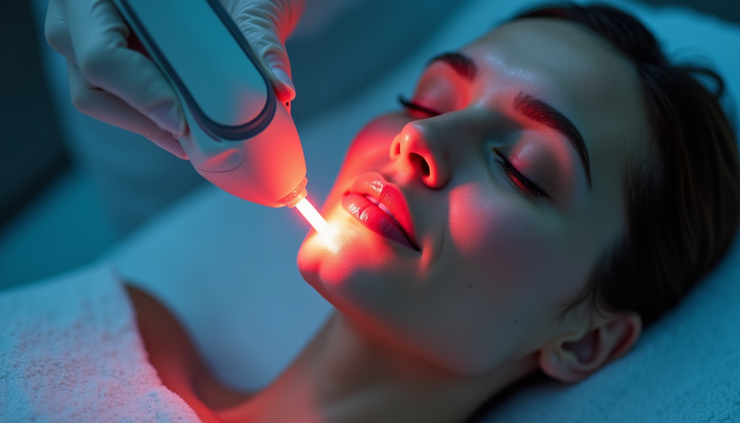
Treating Acne Scars and Active Acne
Acne scars can leave lasting marks that affect confidence. Laser treatments work by stimulating collagen production and resurfacing the skin. This helps reduce the depth and visibility of scars over time. For active acne, certain laser therapies target the bacteria causing breakouts and reduce inflammation.
Fractional laser resurfacing breaks down scar tissue and encourages new skin growth.
Blue light therapy targets acne-causing bacteria without damaging surrounding skin.
Treatments often require multiple sessions for best results.
Patients typically notice smoother skin texture and fewer breakouts.
Reducing Hyperpigmentation and Sun Damage
Sun exposure and aging can cause uneven skin tone, dark spots, and patches of hyperpigmentation. Laser treatments can target these pigmented areas precisely, breaking down excess melanin and promoting an even complexion.
Intense Pulsed Light (IPL) therapy is effective for sun spots and age spots.
Lasers can also improve redness caused by broken capillaries or rosacea.
Results usually appear gradually as the skin heals and regenerates.
Combining laser therapy with proper sun protection enhances and maintains results.

Smoothing Fine Lines and Wrinkles
Aging skin often develops fine lines and wrinkles, especially around the eyes and mouth. Laser treatments can stimulate collagen and elastin production, which are essential for skin firmness and elasticity.
Non-ablative lasers heat the deeper layers of skin without damaging the surface.
This process tightens skin and reduces the appearance of wrinkles.
Treatments are less invasive than surgical facelifts and have shorter recovery times.
Many patients see gradual improvement over several weeks.
Improving Skin Texture and Enlarged Pores
Uneven skin texture and enlarged pores can make skin look dull and aged. Laser treatments help by exfoliating the outer skin layers and encouraging new, healthy skin to form.
Fractional lasers create tiny wounds that trigger natural healing.
This leads to smoother skin and smaller-looking pores.
The procedure can also reduce oiliness, which contributes to pore size.
Results improve with repeated sessions spaced weeks apart.

Addressing Vascular Lesions and Redness
Visible blood vessels, spider veins, and persistent redness can be treated effectively with laser therapy. Lasers target the hemoglobin in blood vessels, causing them to shrink and fade.
Treatments are precise and minimize damage to surrounding skin.
Commonly treated areas include the nose, cheeks, and legs.
Multiple sessions may be needed depending on the severity.
Patients often experience clearer skin and reduced redness.
What to Expect During and After Laser Treatments
Laser treatments are usually performed in a dermatologist’s office or a medical spa. The procedure time varies depending on the area treated but often lasts between 20 to 60 minutes. Patients may feel a mild warming or snapping sensation during treatment.
Aftercare is important to protect the skin and support healing:
Avoid direct sun exposure and use broad-spectrum sunscreen daily.
Keep the skin moisturized and avoid harsh skincare products.
Mild redness or swelling may occur but typically resolves within a few days.
Follow your provider’s instructions for the best outcome.


Comments